

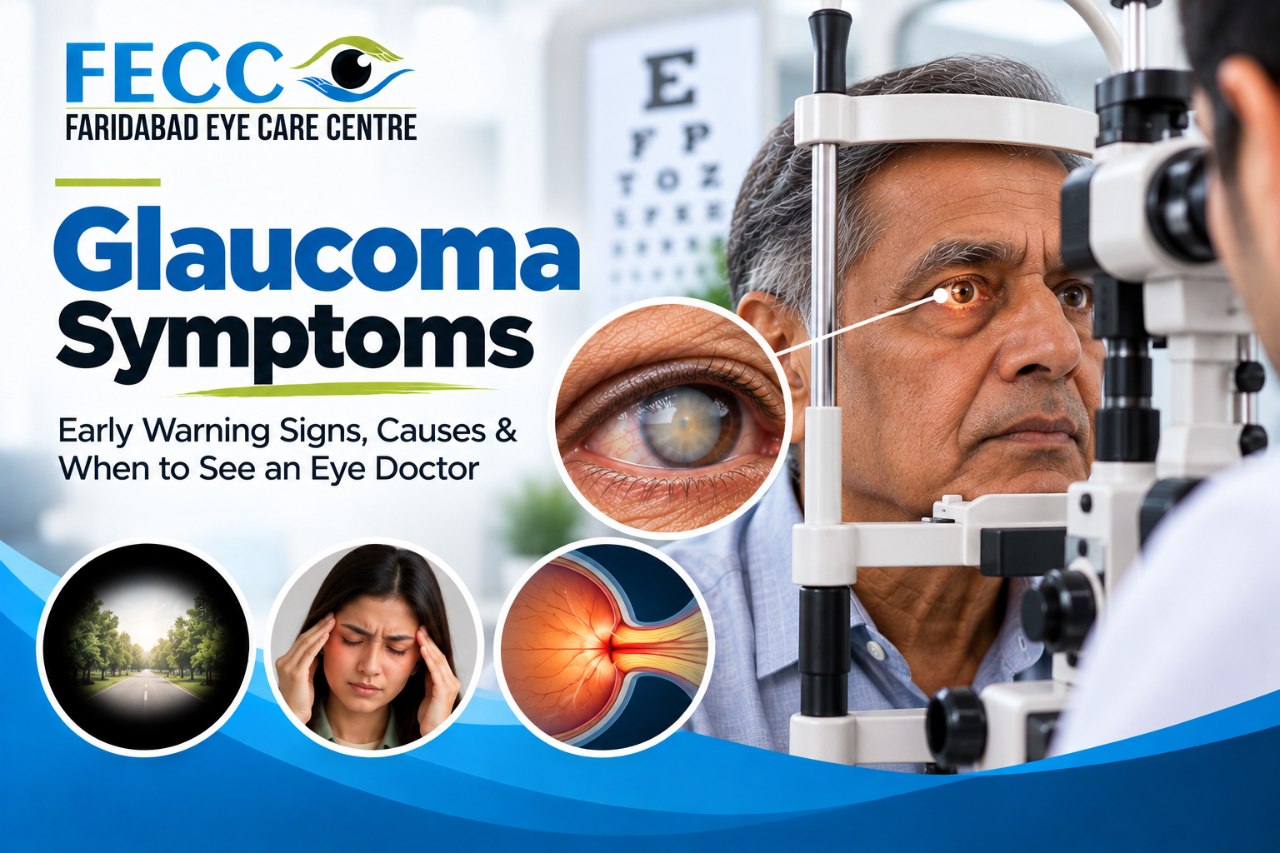
Glaucoma Diagnosis and Treatment: What Patients Should Know
Here's something that catches most people off guard: you can have glaucoma for years and feel absolutely nothing. No pain, no blurry vision, nothing that screams "get this checked". It just quietly chips away at your peripheral vision until, one day, you notice something's off. By then, a fair amount of damage has usually already happened. Scary thought, right?
So what exactly is glaucoma?
In the simplest terms, it's damage to the optic nerve, usually (though not always) tied to elevated pressure inside the eye. Think of the optic nerve as the cable connecting your eye to your brain. When that cable gets damaged, the signal gets weaker, and vision starts fading from the edges inward.
There isn't just one type either:
-
Open-angle glaucoma — the slow, silent, most common form
-
Angle-closure glaucoma — sudden, painful, and genuinely an emergency
-
Normal-tension glaucoma — where eye pressure is normal but damage still happens anyway
-
Secondary glaucoma — triggered by injury, inflammation, or certain medications
How do doctors actually catch it?
This is where regular eye exams earn their keep. A comprehensive check usually includes tonometry (measuring eye pressure), a look at the optic nerve itself, visual field testing to map out any blind spots, and sometimes OCT imaging, which basically gives a detailed cross-section of the nerve fibres. None of these are things you'd notice needing on your own. That's the whole problem with glaucoma — it doesn't ask permission before it starts causing damage.
What happens once it's diagnosed?
The goal isn't to reverse damage, because, unfortunately, that's not possible yet. It's to stop things from getting worse. And there are real, effective ways to do that:
-
Prescription eye drops that lower internal eye pressure
-
Oral medications, used less often but sometimes necessary
-
Laser treatment (like SLT), which helps improve fluid drainage from the eye
-
Surgical options for cases where drops and lasers aren't cutting it anymore
None of these treatments are standard. What works for one patient's eye pressure and nerve condition might do nothing for another's. That's honestly why self-diagnosing from a YouTube video is a bad idea and why an actual specialist matters so much here.
If you're searching for glaucoma treatment in Faridabad, you want a place that doesn't just hand you drops and send you off. You want someone to track your optic nerve over time, adjust the approach as needed, and catch subtle shifts before they lead to real vision loss.
Why "early" really does mean everything
Ask any ophthalmologist and they'll tell you the same thing: glaucoma caught early is manageable. Glaucoma caught late is a much harder conversation. The damage already done can't be undone, full stop. So the entire game here is about catching it before symptoms show up, which sounds almost backwards, doesn't it? You're supposed to go get checked for something you can't even feel.
But that's exactly the point. Anyone over 40, anyone with a family history, anyone with diabetes or high blood pressure – these are the people who should be getting their eye pressure checked annually, no excuses. Waiting for symptoms with glaucoma is like waiting for the smoke alarm to go off after the fire's already spread through the house.
Finding the right care matters more than you'd think
Faridabad Eye Care Centre has built a practice around exactly this kind of vigilant, long-term monitoring, the sort of care where your eye pressure and optic nerve health actually get tracked visit after visit instead of treated as a one-off problem. For anyone looking into glaucoma treatment in Faridabad, that kind of continuity is what actually protects vision over the years, not just a single prescription handed out and forgotten.
Bottom line
Glaucoma is sneaky, silent, and genuinely one of the leading causes of irreversible blindness worldwide. But it's also one of the most manageable eye conditions out there, provided it's caught in time. Get your eyes checked regularly. Don't wait for symptoms that might never show up until it's too late. Your future eyesight is worth the twenty minutes it takes to sit through an exam.